Source Injection Molded HDPE Trash Cans for Outdoor, Home, and Recycling
Compare 30 Injection Molded HDPE Trash Cans from verified manufacturers. These durable bins are designed for outdoor, home, and recycling applications with customizable options and eco-friendly features.
Key considerations
Products List






Comprehensive Sourcing Guide
Strategic Sourcing Guide for Injection Molded HDPE Trash Cans
Procuring injection molded high-density polyethylene (HDPE) trash cans requires a rigorous understanding of material science, manufacturing tolerances, and supply chain logistics. The global market for waste management infrastructure has shifted significantly toward durable, eco-friendly solutions that can withstand harsh environmental conditions while maintaining aesthetic consistency. For procurement professionals, the core keyword "Injection Molded HDPE Trash Cans" represents a category defined by specific technical parameters, including wall thickness, load-bearing capacity, and chemical resistance. This guide synthesizes available product data and industry standards to provide a structured approach for evaluating suppliers and selecting the right waste bin solutions for municipal, commercial, or industrial applications.
Technical Specifications and Material Integrity
The foundation of a reliable waste bin lies in its material composition and manufacturing process. HDPE is the preferred material for injection molding due to its high strength-to-density ratio, excellent impact resistance, and ability to be recycled. When evaluating a product listing, buyers must scrutinize the specific wall thickness, as this directly correlates to durability and load capacity. Observed data indicates that high-performance units, such as 240L models, often feature a wall thickness of 4.5mm, whereas smaller capacity bins, like 50L variants, may utilize a 2.5mm thickness. This variance is not arbitrary; it reflects the engineering requirements for different load classes.
The injection molding process ensures uniformity in the final product, but buyers must verify the consistency of the molding. Key technical attributes include the type of fasteners used. High-quality units utilize stainless steel for all screws and nuts to prevent rust and corrosion, a critical factor for outdoor installations exposed to rain and humidity. Furthermore, the structural design often includes integrated wheels and lids, which are considered essential spare parts for maintenance. The standard dimensions for a 240L bin typically range around 570x475x950mm, though variations exist based on the manufacturer's specific mold design.
Buyers should also consider the range of available sizes. The market offers a spectrum from small 30L bins for indoor use to massive 1100L containers for industrial waste management. The specific model numbers, such as ENL-plastic dustbin or SDL-120G, serve as identifiers for these capacity tiers. It is imperative to match the bin size to the intended application; for instance, a 240L bin is standard for municipal street collection, while a 50L pedal bin is more suitable for hospital or office environments. The material's resistance to UV radiation and chemicals is inherent to HDPE, but the specific formulation used by the supplier determines the long-term colorfastness and structural integrity.
Compliance, Certification, and Regulatory Standards
Navigating the regulatory landscape is essential for B2B procurement, particularly when sourcing for government contracts or international projects. Certifications serve as third-party validation of a supplier's quality management systems and product safety. The provided data highlights several key certifications that are commonly associated with high-grade plastic waste bins. These include ISO9001 for quality management, ISO14001 for environmental management, and SGS for product testing and inspection. Additionally, the EN840 standard is frequently cited, which specifically governs the performance requirements for waste containers, including their compatibility with garbage trucks and tipping mechanisms.
When evaluating a supplier, buyers should request current certificates rather than relying on historical claims. The presence of an EN840 certificate is particularly significant for municipal procurement, as it ensures the bin can withstand the mechanical stress of automated lifting systems. Similarly, ISO certifications indicate that the manufacturer adheres to standardized processes for production and quality control. While some background information mentions standards like RoHS or REACH, these should be verified on a case-by-case basis as they pertain to chemical restrictions in specific regions.
Buyers must also be cautious of "certification" claims that lack supporting documentation. A supplier stating they are "En840 Certificated" should provide the specific certificate number and the issuing body. The verification process should extend beyond the certificate itself to include the scope of the certification. Does the certification cover the specific product line being purchased, or is it a general company-level accreditation? For international shipments, understanding the regulatory requirements of the destination country is vital. While some standards like ASTM E96 are mentioned in broader contexts, the primary focus for waste bins should remain on EN840 and ISO standards, which are the industry benchmarks for this product category.
Cost Drivers and Pricing Dynamics
The pricing of Injection Molded HDPE Trash Cans is influenced by a complex interplay of factors, including raw material costs, manufacturing complexity, and logistics. The observed price range in the market spans from $0.10 to $100,000, a wide disparity that reflects the difference between small indoor bins and large industrial containers. The unit price is heavily dependent on the wall thickness and the volume of the bin. A 240L bin with a 4.5mm wall will naturally cost more than a 50L bin with a 2.5mm wall due to the increased material usage and the energy required for the injection molding process.
Volume discounts are a significant driver in this sector. The load capacity of shipping containers plays a crucial role in the final landed cost. Data indicates that a 20-foot general purpose (20gp) container can typically hold 300 pieces of a 240L bin, whereas a 40-foot high cube (40hq) container can accommodate 700 pieces. For smaller bins, such as the 50L model, a 20gp container can hold up to 1,200 pieces. These loading efficiencies directly impact the per-unit shipping cost. Buyers should calculate the total cost of ownership, including freight, rather than focusing solely on the ex-factory price.
Minimum Order Quantities (MOQ) also affect pricing strategies. The observed MOQ range is between 1 and 5,000 units. Suppliers often offer tiered pricing structures where the unit cost decreases as the order volume increases. Customization, such as logo printing via silk screen or stickers, adds to the cost but is often available at no additional charge for large orders. The "Free Printing Logo" feature is a common value-add, but buyers must verify if there are setup fees for the printing plates. Additionally, the choice of packaging, whether bulk or plastic film, can influence the overall cost, especially if specialized packaging is required to prevent damage during transit.
Typical Applications and Usage Scenarios
The versatility of HDPE trash cans allows them to be deployed across a wide array of sectors. The primary usage categories identified include outdoor, home, recycling, and public spaces. In municipal settings, 240L and 360L bins are the standard for street-side waste collection. These units are designed to be compatible with garbage trucks, with an optional feature for specific lifting mechanisms. The durability of the HDPE material makes them suitable for harsh outdoor environments, resisting UV degradation and extreme temperatures.
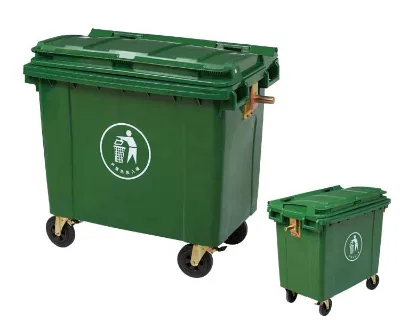
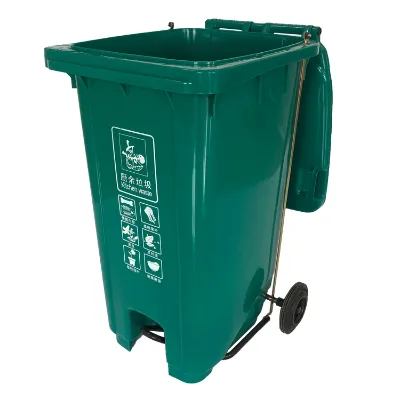
Beyond municipal use, these bins are essential in healthcare and educational institutions. The "Pedal Bin" variant, often found in 50L sizes, is ideal for hospitals and schools where hygiene is paramount. The pedal mechanism allows for hands-free operation, reducing the risk of cross-contamination. The "Standing" structure of these bins ensures stability in high-traffic areas. In industrial and recycling facilities, larger bins such as the 660L, 770L, and 1100L models are utilized to handle bulk waste. The "Eco-Friendly" attribute of HDPE is particularly relevant here, as the material is fully recyclable, aligning with sustainability goals.
The application scope also extends to community streets and medical waste management. The "Multicolor" and "Unicolor" options allow for color-coding systems to facilitate waste segregation. For example, different colors can designate recyclables, general waste, and hazardous materials. This visual management system is critical for efficient waste sorting. Buyers should assess the specific environmental conditions of their deployment site. For instance, bins intended for outdoor use in coastal areas may require enhanced corrosion resistance, which is supported by the use of stainless steel fasteners.
Supplier Evaluation and Quality Assurance
Selecting the right supplier is a critical step in the procurement process. Buyers should evaluate potential partners based on their production capacity, quality control measures, and track record. The "China Plastic Waste Bin Manufacturer" designation indicates a concentration of production in specific regions, but it does not guarantee quality. Buyers must verify the supplier's ability to meet specific technical requirements, such as wall thickness consistency and color uniformity. The "Bulk" or "Nomally Package" (likely "Normally Package") options suggest flexibility in logistics, but buyers should confirm the packaging standards to ensure the goods arrive undamaged.
Quality control should be an integral part of the supplier evaluation. Buyers should request samples to test the physical properties of the bins, including impact resistance and load-bearing capacity. The "3 Years" warranty offered by some suppliers is a strong indicator of confidence in product durability, but the terms and conditions of the warranty must be clearly understood. Does the warranty cover manufacturing defects, or does it exclude damage from misuse? Additionally, the "Spare Parts" availability, such as wheels, lids, and pedals, is a key consideration for long-term maintenance. A supplier that offers readily available spare parts can significantly reduce downtime for the buyer.
When assessing suppliers, buyers should also look for transparency in their production process. The ability to provide detailed specifications, such as the exact dimensions and material composition, is a sign of a professional operation. The "Free Logo Printing" feature is a common offering, but buyers should verify the quality of the printing and the durability of the logo under various conditions. Finally, the supplier's location and lead times should be factored into the procurement timeline. While the origin is listed as China, the specific factory location can impact shipping times and costs.
Long-Term Procurement Considerations
Sourcing waste bins is not a one-time transaction but a long-term partnership that requires careful planning. The "Eco-Friendly" nature of HDPE makes these bins a sustainable choice, but buyers must consider the end-of-life disposal of the bins themselves. The recyclability of the material is a significant advantage, but the design of the bin should facilitate easy recycling. Buyers should also consider the modularity of the system. Can the bins be stacked or nested to save space when not in use? The "Mobile" feature, enabled by wheels, is essential for ease of use, but the quality of the wheels and axles determines the lifespan of the bin.
Future-proofing the procurement strategy involves anticipating changes in waste management regulations and technology. As municipalities adopt more automated collection systems, the compatibility of the bins with these systems becomes increasingly important. The "Use with Garbage Truck" feature should be verified against the specific equipment used by the buyer's waste management team. Additionally, the trend toward smart waste management, where bins are equipped with sensors, may influence future purchasing decisions. While current data does not mention smart features, buyers should remain open to innovations that enhance efficiency.
Finally, the relationship with the supplier should be built on clear communication and mutual benefit. Regular reviews of the supply chain, including quality audits and performance reviews, can help identify areas for improvement. The "Customization" and "Customized" options allow buyers to tailor the product to their specific needs, but these changes should be documented and agreed upon in writing. By focusing on these long-term considerations, buyers can ensure a steady supply of high-quality waste bins that meet their operational requirements and sustainability goals.
FAQs
What certifications do these trash cans hold?
These units typically hold En840, ISO9001, ISO14001, and SGS certifications. Buyers should verify specific certificate numbers to ensure compliance with waste management standards and quality management systems for international procurement.
How thick are the walls on 240L bins?
High-performance 240L models feature a wall thickness of 4.5mm. Smaller variants like 50L bins may have a reduced thickness of 2.5mm, reflecting the engineering requirements for different load classes and durability needs.
Can I get a custom logo printed on the bins?
Yes, free logo printing is available via silk screen or sticker application. This customization is often offered for large orders, though buyers should confirm if any setup fees apply for the printing plates used.
What is the warranty period for these plastic bins?
Some suppliers offer a three-year warranty on their products. This warranty typically covers manufacturing defects, but buyers must review the specific terms to understand exclusions regarding misuse or environmental damage.
Which fasteners are used to prevent rust?
All screws and nuts are made from stainless steel to ensure corrosion resistance. This feature is critical for outdoor installations exposed to rain and humidity, maintaining structural integrity over the product's lifespan.
How many units fit in a 20-foot container?
A 20-foot container typically holds 300 pieces of 240L bins or up to 1,200 pieces of 50L bins. These loading efficiencies directly impact the per-unit shipping cost and overall logistics planning for buyers.
What materials are used to make these bins?
The bins are constructed from high-density polyethylene (HDPE) plastic. This material provides excellent impact resistance, chemical stability, and recyclability, making it suitable for diverse applications from municipal streets to hospitals.